The Hidden Costs of Waste in the Fashion Industry
The fashion industry is one of the most dynamic and creative sectors globally. However, beneath the glamour and innovation lies a significant problem: waste. The hidden costs of fashion waste extend far beyond overflowing landfills. They impact the environment, economy, and society in ways that are often overlooked. Understanding these costs is essential for anyone interested in sustainable fashion or responsible consumption.
Understanding the Scale of Fashion Waste
Fashion waste refers to the discarded materials and products generated throughout the lifecycle of clothing. This includes unsold inventory, production scraps, and garments that consumers throw away. The fast fashion model, which emphasizes rapid production and consumption, has dramatically increased the volume of waste.
- Environmental impact: Textile production consumes vast amounts of water and energy. When clothes are discarded, the resources used to make them are wasted.
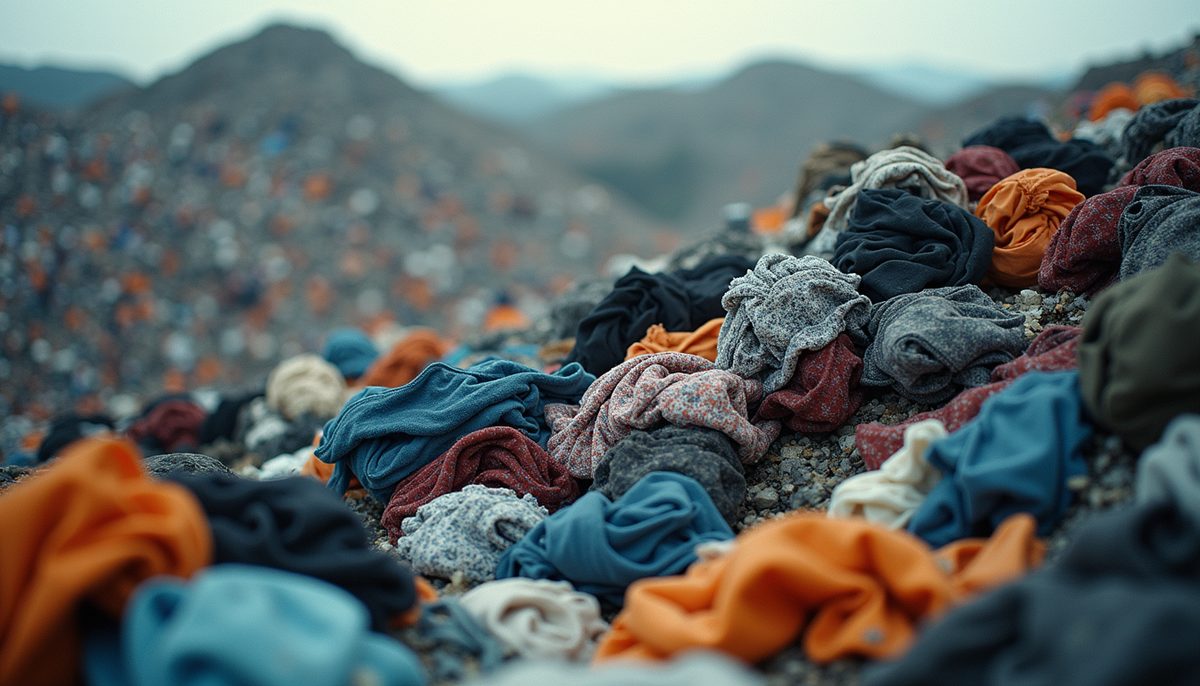
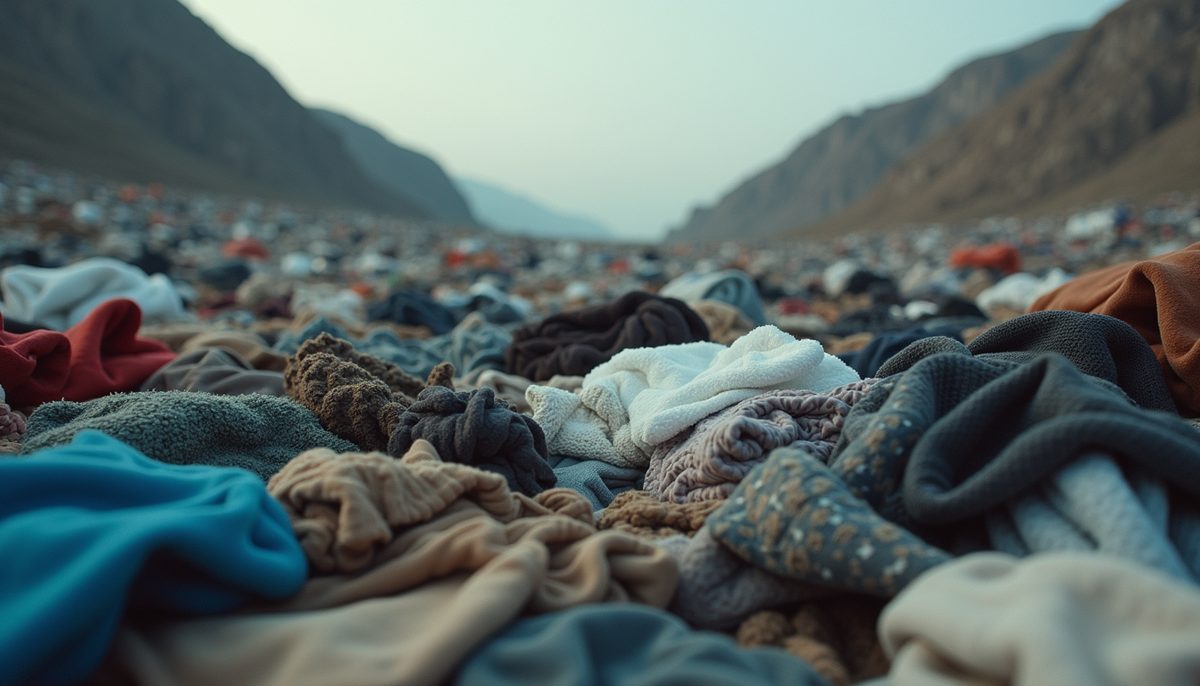
- Landfill overflow: Millions of tons of textiles end up in landfills every year, where synthetic fibers can take hundreds of years to decompose.
- Carbon footprint: The production and disposal of clothing contribute significantly to greenhouse gas emissions.
The Economic and Social Costs of Fashion Waste
Fashion waste is not just an environmental issue; it also has economic and social consequences. The costs associated with waste affect manufacturers, retailers, and consumers alike.
- Financial losses: Unsold stock and overproduction lead to significant financial losses for brands. These losses often result in markdowns, destruction of goods, or dumping.
- Labor exploitation: The pressure to produce cheap, fast fashion can lead to poor working conditions and low wages for garment workers.
- Resource depletion: The extraction of raw materials for textiles depletes natural resources, affecting communities dependent on these resources.
What are examples of fashion waste?
Fashion waste manifests in various forms throughout the supply chain. Recognizing these examples helps identify where interventions can be most effective.
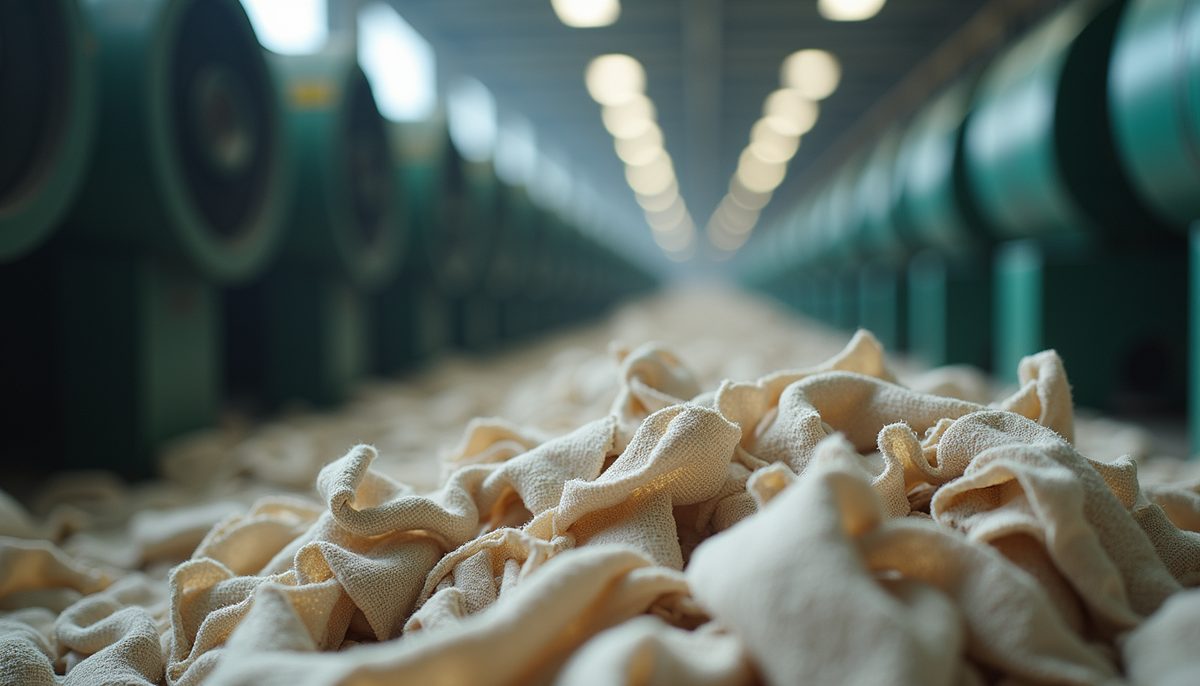
- Pre-consumer waste: This includes fabric offcuts, defective garments, and unsold inventory. Many factories discard these materials instead of recycling them.
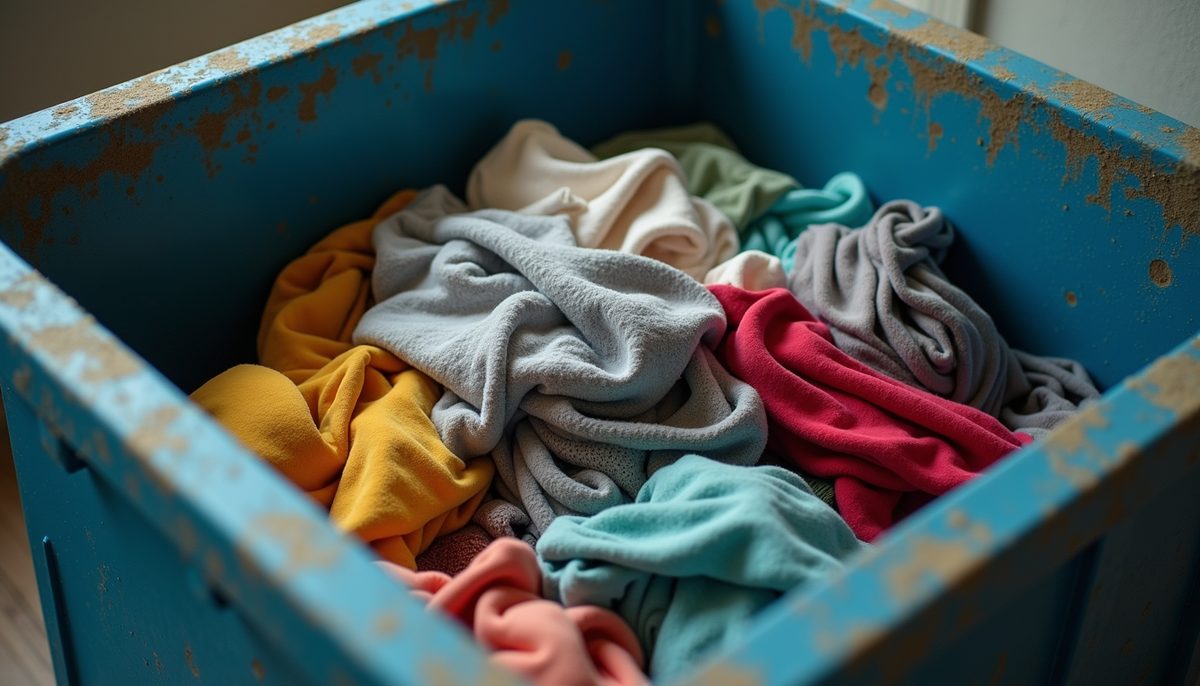
- Post-consumer waste: Clothes that consumers no longer want or need often end up in landfills or incinerators.
- Packaging waste: Excessive packaging materials, such as plastic bags and tags, contribute to the overall waste problem.
- Water and chemical waste: The dyeing and finishing processes generate wastewater containing harmful chemicals that pollute ecosystems.
Practical Steps to Reduce Fashion Waste
Reducing fashion waste requires action from brands, consumers, and policymakers. Here are some practical recommendations:
- For brands:
- Implement take-back programs to recycle old garments.
- Use sustainable materials that are easier to recycle or biodegrade.
- For consumers:
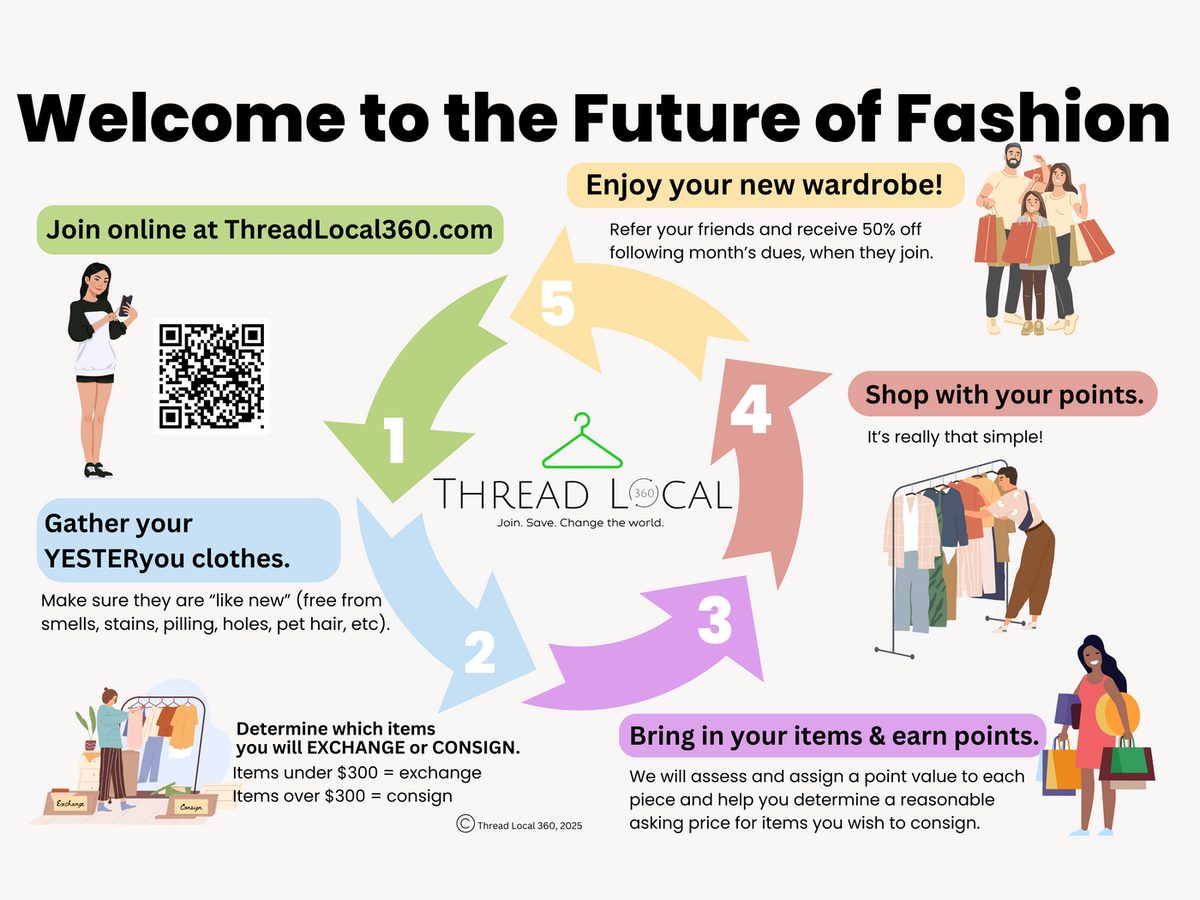
- Join a clothing collaborative like Thread Local 360.
-Donate or sell clothes instead of throwing them away.
- Support brands committed to sustainable practices.
- For policymakers:
- Provide incentives for sustainable production and recycling.
- Promote awareness campaigns about the impact of fashion waste.
By working together, these groups can significantly reduce the negative effects of fashion waste.
The Future of Sustainable Fashion Waste Management
The future of fashion depends on innovative solutions to manage waste effectively. Technologies such as fabric recycling, biodegradable textiles, and circular fashion models are gaining traction.
- Circular fashion: This model focuses on designing products for reuse, repair, and recycling, keeping materials in use longer.
- Advanced recycling: Chemical recycling can break down synthetic fibers to create new yarns, reducing the need for virgin materials.
- Consumer education: Increasing awareness about the impact of fashion waste encourages more responsible buying and disposal habits. This is a main objective of Thread Local 360. As a former educator, I believe knowledge is power.
For more insights on sustainable practices and the impact of fashion industry waste, explore resources that promote transparency and responsibility in fashion.
By understanding the hidden costs of fashion waste, we can all contribute to a more sustainable and ethical fashion future. Whether you are a consumer, designer, or policymaker, your choices matter in reducing waste and protecting our planet.
Join. Save. Change the world.
~Tiffany Beardsley, Owner